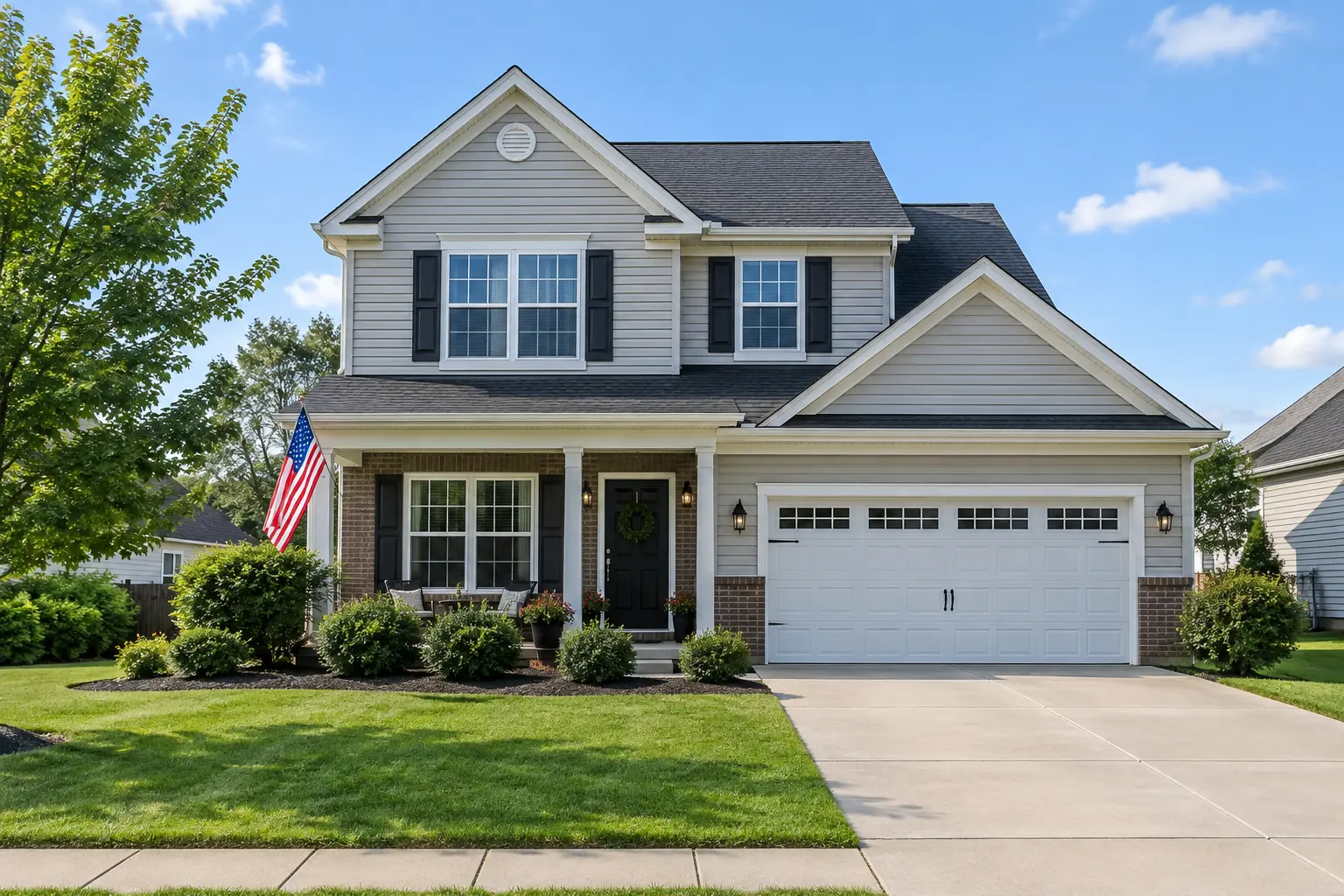
There’s a moment a lot of Philadelphia homeowners hit where they just want the house gone. Not “gone” in a dramatic sense just off their plate. No more property taxes piling up on a place they’re not living in. No more late-night worrying about a roof that’s one storm away from a real problem. No more calls from tenants who haven’t paid rent since spring.
If that sounds familiar, selling for cash is probably already on your radar. But knowing it’s an option and actually knowing how to do it are two different things. Here’s the real breakdown of what it takes, what to expect, and how to avoid the buyers who aren’t worth your time.
Start By Getting Honest About What You Actually Need
Before you fill out a single form, it helps to know what you’re optimizing for. Some sellers want the absolute highest dollar amount and don’t mind waiting six months to get it. Others just need the house sold fast, clean, done even if it means taking less than they’d get on the open market.
Neither answer is wrong. But it changes which path makes sense. If speed and certainty matter more than squeezing out every last dollar, a direct cash sale is usually the better fit. If you’ve got time, a move-in-ready house, and no urgent deadline, a traditional listing might net more in the end.
Step 1: Get Your House in Front of a Real Buyer
This is simpler than most people expect. You fill out a short form online, or just call, and give the basics the address, roughly what condition the house is in, and why you’re selling. That’s it. No prep work, no staging, no cleaning out the garage before anyone sees it.
This is also the step where cash home buyers Philadelphia homeowners search for actually comes into play. You’re not listing publicly, you’re going straight to a company that buys directly, which skips the entire marketing phase of a sale.
Step 2: Let the Buyer Walk Through (Or Not)
Some buyers will want to see the property in person, either quickly or with a short video call if you can’t be there. Others will make a preliminary offer off photos and details alone, then adjust once they’ve confirmed the condition. Either way, this step is about the house as it currently sits, no repairs, no touch-ups, no pressure to make it look better than it is.
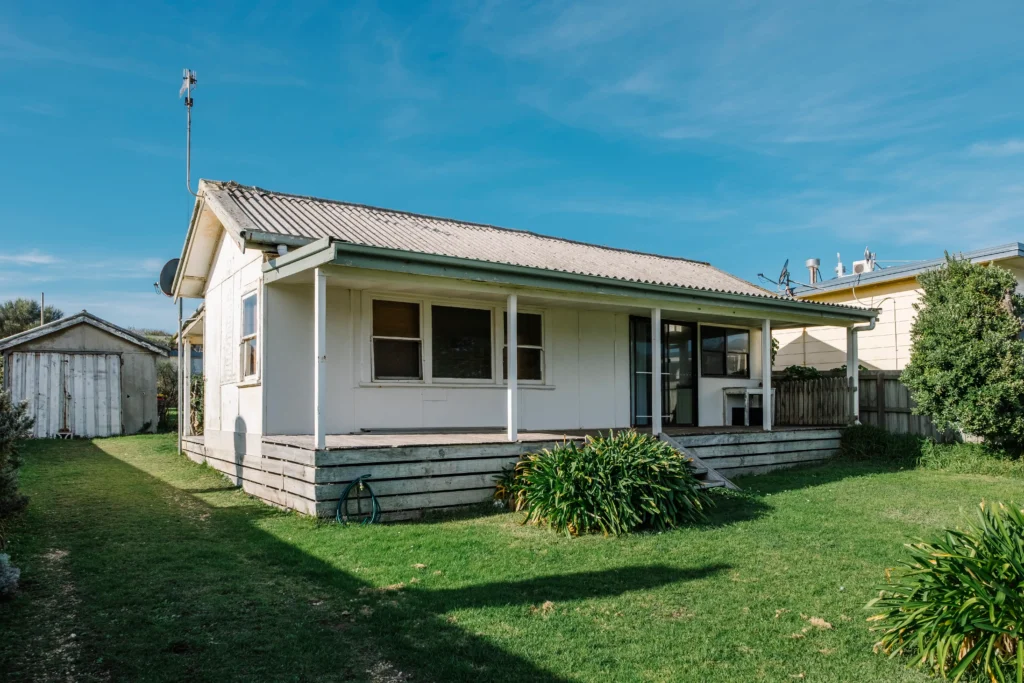
This matters a lot if the property has real problems. Fire damage, mold, a collapsed porch, decades of deferred maintenance none of it disqualifies you. A serious buyer has seen worse.
Step 3: Review the Cash Offer
A fair offer isn’t pulled out of thin air. It should be based on recent sales of comparable homes in your neighborhood, minus what it will cost the buyer to bring the property up to market condition, minus their own margin for taking on that risk. Ask for that breakdown. A buyer who’s confident in their number will walk you through it without hesitation.
This is also where you compare notes if you’ve gotten other offers. A legitimate buyer won’t badmouth a competing offer; they’ll just explain their own numbers clearly and let you decide.
Step 4: Say Yes, No, or Not Yet
A cash offer isn’t a countdown clock. You’re allowed to sit with it, run the numbers against what a traditional sale might net after commissions and repairs, or simply decline. If a buyer is pushing you to sign immediately or using pressure tactics, that’s worth noticing.
Step 5: Close on Your Timeline
Once you accept, a title company takes over the paperwork title search, transfer, and the actual closing. Because there’s no lender involved, this step moves fast. Many cash sales close within 7 to 14 days, though a good buyer will work around your schedule if you need more time to pack up or find your next place.
You show up, sign, and leave with the money, no waiting on a buyer’s mortgage to clear underwriting, no last-minute appraisal surprises.
What Kind of Houses Actually Qualify?
Pretty much all of them. Cash buyers regularly purchase:
Inherited properties If you’re trying to figure out how to sell an inherited house in Philadelphia, a cash sale avoids months of upkeep, taxes, and probate-related delays while siblings or co-heirs sort out next steps.
Rental properties with tenants still living there some buyers will purchase the property as-is, tenants included, so you can walk away from landlord duties entirely.
Houses facing foreclosure a fast sale can sometimes happen before the sheriff’s sale date, letting you pay off what’s owed and preserve whatever equity is left.
Properties needing major work roof failures, outdated electrical, structural issues. None of it needs to be fixed before you sell.
Houses tied up in divorce or estate disputes a direct sale can simplify dividing the proceeds without a drawn-out public listing.
What a Trustworthy Buyer Looks Like
Anyone can put “we buy houses Philadelphia” on a website. What separates a legitimate local buyer from someone just fishing for a desperate seller usually comes down to a few things:
They explain the offer. If the number comes with no context, that’s a red flag.
They don’t charge you to find out what they’ll pay. A request for a cash offer should always be free and non-binding.
They’re local. A Philadelphia-based buyer understands neighborhood-specific values, title quirks, and market conditions in a way an out-of-state investor working off a spreadsheet usually doesn’t.
They cover standard closing costs. Many established buyers do worth confirming upfront.
They’re comfortable with you saying no. Real buyers don’t need pressure tactics because the deal makes sense on its own.
Cash Sale vs. Traditional Listing, Side by Side
It’s worth putting the two options next to each other plainly.
A traditional sale usually means: repairs before listing, photography and marketing costs, weeks or months of showings, an accepted offer that’s still contingent on the buyer’s financing, an appraisal that can fall through, and a 5–6% agent commission out of your proceeds at the end.
A direct cash sale usually means: no repairs, no showings, no financing contingency, no appraisal risk, no commission and a closing date measured in days rather than months. The tradeoff is a lower offer than full retail value, since the buyer is absorbing the repair costs and risk themselves.
If your priority is certainty and speed, the math tends to favor working with local home buyers Philadelphia homeowners already trust. If your priority is maximum price and you have the time and a house in solid shape, the traditional route may be worth the wait.
A Quick Reality Check on Timing
Philadelphia’s housing stock skews older, and a lot of rowhomes and twins carry decades of deferred maintenance that only gets more expensive to fix the longer it’s ignored. Property taxes and utility bills don’t pause while you’re deciding what to do. Neither does a mortgage if you’re still carrying one on a house you’re not living in.
None of this means you have to rush a decision. It just means waiting has a cost too, even if it’s not always obvious month to month.
Ready to See What Your House Is Worth?
If you’re leaning towards a fast, straightforward sale, the team at DI Solutions LLC makes it easy to sell my house fast Philadelphia just request a no-obligation cash offer and see the actual number. There’s no cost to ask, no pressure to accept, and no repairs to make before someone takes a look. Whether you’re dealing with an inherited property, a rental you’re done managing, or a house that just needs to be sold, the process is built to move at your pace, not the other way around.