
At some point, almost every Philadelphia homeowner selling a house asks the same question: should I take a cash offer, or list it the normal way? It’s the classic sell my house fast Philadelphia dilemma, and there’s no universal right answer. It really comes down to what matters more to you, time, or the last few thousand dollars a listing might squeeze out.
Let’s lay both paths out honestly, without the sales pitch, so you can figure out which one actually fits your situation.
The Two Paths, in Plain Terms
A traditional home sale means listing your house on the open market, usually through a real estate agent. Buyers come through for showings, offers come in (often contingent on mortgage approval and a home inspection), and once you accept one, you wait for that buyer’s financing to clear before you can close.
A cash home offer works differently. You go directly to a cash home buyer, a company or investor who purchases the property outright, using their own money instead of a bank loan. There’s no listing, no showings, and no financing contingency standing between an accepted offer and a closed sale.
Side-by-Side Comparison
| Factor | Cash Home Offer | Traditional Home Sale |
| Repairs | None required sold as-is | Usually needed before listing |
| Showings | None | Multiple, over weeks or months |
| Financing risk | None buyer uses own funds | Deal can fall through on financing/appraisal |
| Agent commission | None | Typically 5–6% of sale price |
| Timeline to close | As fast as 7–14 days | Often 30–90+ days |
| Sale price | Typically below full retail value | Usually closer to market value |
Where a Traditional Sale Wins
If your house is in solid condition, you’re not on a deadline, and maximizing the sale price is your top priority, listing traditionally usually makes sense. Homes that don’t need work tend to attract multiple buyers competing for them, which can push the final price above what a direct cash offer would land at. You’re also tapping into a much larger pool of buyers who can qualify for a mortgage, not just cash investors.
The tradeoff is time and uncertainty. Even in a strong market, a typical sale from listing to closing takes somewhere between 30 and 90 days, and that assumes nothing goes wrong. Inspections can surface issues that trigger renegotiation. Appraisals can come in low, forcing the buyer to either bring more cash to the table or walk away. Buyer financing can fall through in the final stretch, sending you back to square one.
Where a Cash Offer Wins
If speed, certainty, or avoiding repairs matters more than squeezing out the last bit of value, a cash offer is usually the better move. This is especially true for situations like:
- An inherited property. If you’re figuring out how to sell an inherited house Philadelphia families rely on while also handling probate, taxes, and possibly other family members involved, a fast cash sale removes one major variable from an already complicated process.
- A house that needs real work. Roof damage, outdated systems, foundation issues a traditional buyer’s lender may not even approve financing on a property in rough shape. A cash buyer purchases it as-is.
- A looming foreclosure. When time is the scarcest resource you have, a cash sale can sometimes close before the sheriff’s sale date, letting you walk away with whatever equity remains instead of losing the house outright.
- A rental with tenants still in place. Some cash buyers will purchase occupied properties, letting you exit landlord duties without an eviction process first.
- A divorce or estate that needs to be settled quickly. Splitting proceeds is a lot simpler once the sale itself isn’t dragging on for months.
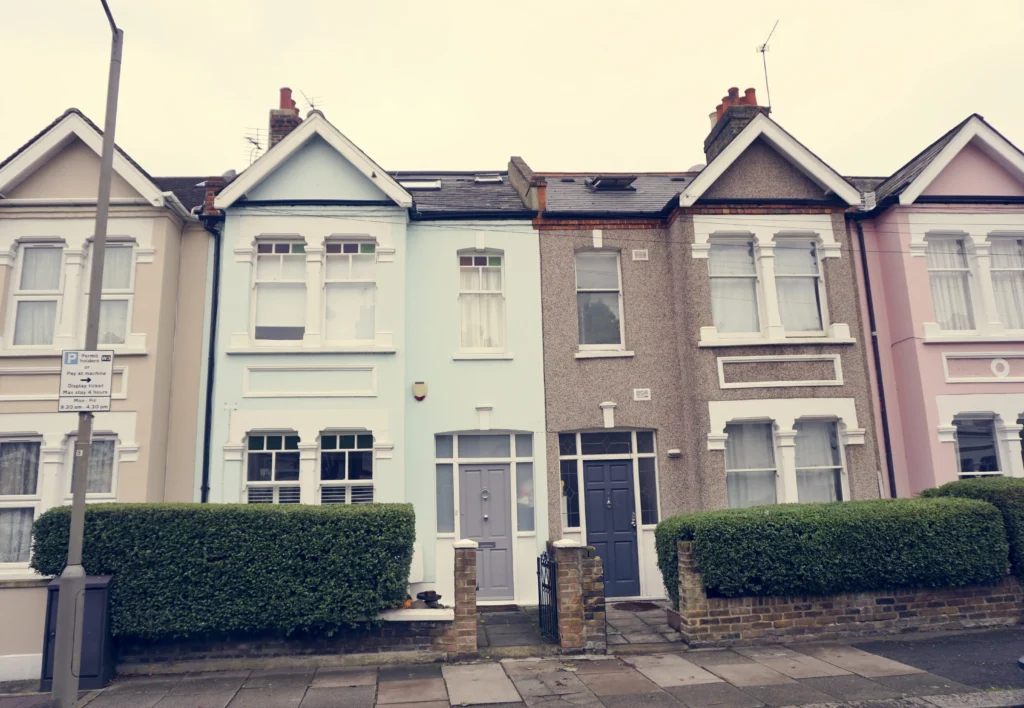
What People Often Get Wrong About Cash Offers
The biggest misconception about we buy houses Philadelphia companies is that all cash offers are lowball offers designed to take advantage of someone in a tough spot. Some are, which is exactly why it’s worth vetting whoever you’re talking to. But a legitimate offer isn’t arbitrary. It’s built from real comparable sales in your neighborhood, adjusted for the cost of repairs, holding costs, and the risk the buyer is taking on by purchasing without an inspection contingency protecting them.
The second misconception is that going the cash route means you’re locked in the moment you ask for a number. You’re not. Requesting a cash offer costs nothing and doesn’t obligate you to accept it. You can request one just to see what it looks like next to a traditional listing estimate, then decide with real numbers in front of you instead of guessing.
Running the Real Math
It helps to think about net proceeds, not just sale price. A traditional sale at a higher price still has deductions agent commission (typically 5-6%), any repairs the buyer’s inspection turns up, closing costs, and however many months of mortgage payments, property taxes, insurance, and utilities you’ll carry while the house sits on the market.
A cash offer is usually lower on paper, but there’s no commission, no repair costs, and no carrying costs stacking up while you wait. Once you subtract everything out on both sides, the gap between the two numbers is often smaller than people expect and for a house that needs significant work, a cash offer can sometimes come out ahead once repair costs are factored in.
A Simple Way to Decide
Ask yourself three questions:
1. Can I afford to wait 60-90 days, and possibly longer if the deal falls through? If not, a cash sale removes that risk.
2. Does my house need repairs I can’t or don’t want to pay for? If yes, a cash buyer takes that off your plate entirely.
3. Is getting the highest possible number more important than getting it done quickly? If yes, and your house is in good shape, a traditional listing may serve you better.
There’s no wrong answer here, just the one that actually fits your circumstances right now.
Getting Both Numbers Before You Decide
The smartest move, honestly, is to get a real cash offer from cash home buyers Philadelphia homeowners already trust, like DI Solutions LLC, and compare it against what an agent estimates you’d net from a traditional sale. You can request a free, no-obligation cash offer and use it as a data point, not a decision. Once you can see both numbers side by side factoring in time, repairs, and fees on each the right choice tends to become pretty obvious.
Whether you go with a fast, direct sale to home buyers Philadelphia trusts, or a traditional listing, the goal is the same: getting out from under a property that no longer fits your life, with as little stress along the way as possible.