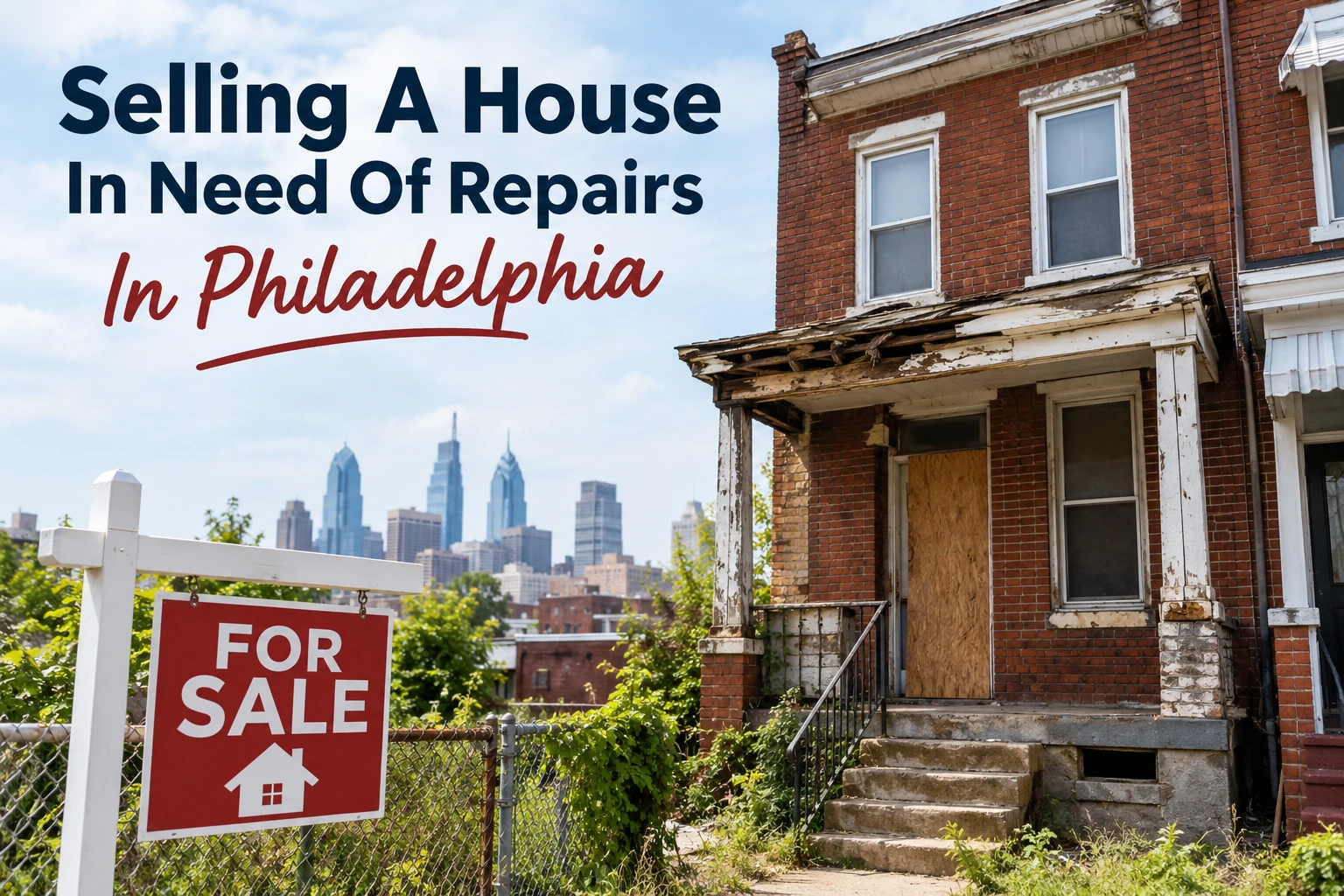
Many Pennsylvania residences are vintage rowhomes and twins. Many were erected about 100 years ago, and even the well-maintained ones tend to have a few problems lurking behind the walls. If you are considering selling your home and it needs some work, you are definitely asking yourself one huge question: Should I fix it up first, or sell it as is?
There is no right response. Repair is contingent upon what is wrong, how much repair will cost and how much time and money you have to spend on it. This book leads you through the most frequent maintenance issues in Pennsylvania houses, how to determine if repairs make sense, and how your house’s condition impacts the offers you’ll receive.
Common Repair Issues With Older Pennsylvania Homes
Older homes are full of character, but they do have their inevitable challenges. These are the ones we see the most.
Roof leaks. Many Pennsylvania rowhouses have flat roofs. When maintained they perform properly but once the coating wears away water finds its way in. If a leak has been going on for a while, it might harm the ceilings, walls and floors above it.
The basement flooded. Damp or wet basements are fairly prevalent, particularly in older communities. It could be a break in the foundation wall, inadequate drainage outside or an ancient sewer line. Water gets in on a regular basis and then usually mold and rot set in.
Cracks in walls and foundations. Small cracks are usual in an older home. Bowing walls, floors that slope slightly, or larger ones can be signs of settling or structural issues that require an expert assessment.
Old wiring. Older homes may still contain knob and tube wiring or electrical panels not designed for today’s use. Insurance companies and lenders normally don’t like either and upgrading them usually requires opening up walls.
Old piping. Old cast iron and galvanized pipes rust and clog up over time. In Pennsylvania, homeowners are usually responsible for the water and sewer lines that run from the house to the street, and changing them can be expensive.
Heating systems. Old boilers and furnaces are widespread in homes in Pennsylvania. They may be running still, but their age will show to purchasers and inspectors.
Brick, porches and steps. Brick requires repointing every now and then and front steps and porches crack and move over the years.
Paint with lead. Sellers are federally required to tell buyers what they know about lead paint and houses built before 1978 may have lead paint.
L&I Violations Open
The Pennsylvania Department of Licenses and Inspections, or L&I, issues violations when a property is not up to code with the city. That might be anything from a perilous porch or broken windows to unsafe wiring or a vacant house that has not been secured.
Open violations are a matter of public record and might make the sale more difficult. Many buyers with a mortgage will not proceed until the problems are corrected and closed out. Many lenders will not approve a mortgage on a property with major safety violations. Repairing them may also involve hiring licensed contractors, getting permits and scheduling inspections, and takes time.
If you’re not sure if your home has open violations, you can search for your property in the city’s public property records. Better to find out early than have it come up in the middle of a sale. Our advice on deed transfers, liens and title issues also covers additional records that could impact your closing.
Selling As Is or Fixing Up Before Selling
Once you know what is wrong, the following step is to decide what to do about it. An honest look at both options is here.
When Fixing First Is the Right Choice
When you get the benefits of making repairs before you list:
- The faults are primarily cosmetic such as paint, flooring or tiny fixes
- Repairs are fast and you can get reasonable quotations from contractors
- You have the money to pay for their upkeep.
- No rush, you can wait till it’s done
- There’s a strong market for homes ready to move into in your area
Small changes can improve a house’s appearance and help it sell to buyers looking for financing.
When It Makes More Sense to Sell As-Is
It’s a different story for bigger fixes. New roof, foundation work, full rewiring, or repairing a sewage line can be expensive and you may not earn back every dollar in a higher sales price. Projects also tend to run over once contractors begin opening things up.
When it just makes more sense to sell “as-is”:
- The repairs would be over your comfortable means to pay
- You don’t have the time to deal with contractors and permissions
- You have open L&I violations you’d prefer not have to address
- You inherited the house and you don’t reside around here
- You need to sell fast due of a move, a divorce, or money issues
- House is unoccupied and problems are becoming worse the longer it sits
One smart method to make your decision is to acquire a few repair quotes, and then evaluate the cost and time vs. what you would likely get for an as-is sale. Our information on how much is your house worth in Pennsylvania can help you make sense of the data.
How Code Violations and Condition Affect Your Offer
It is no secret that a home that needs repairs will sell for less than a home that has been completely upgraded. But it is useful to understand how customers arrive at their number.
Buyers on the open market are limited by what their lender will authorize when they are using a mortgage. The appraisal could be low if the house has serious faults, the financing could be denied, or the buyer could ask for a big price decrease following the inspection. That’s why you have houses that need a lot of repair hanging around on the market forever.
Cash purchasers see it differently. Most start with what the house might be worth after it is fully fixed up, using recent sales nearby. Then they subtract the cost of repairs, the time it will take and additional charges of theirs. What is left is the offer. To learn more about what cash home buyers search for in Pennsylvania houses, visit our guide.
A few things that tend to knock an offer down the most:
- Problems with the roof, foundation and water
- Old electrical, plumbing or heating systems
- Unpermitted work and/or open L&I violations
- Significant water or fire damage
- A residence full with belongings that need a comprehensive cleanout
The good news is this. In a cash sale these concerns do not prevent the sale from being completed. They’re just built into the price. And since there are no renovations, no agent charges and frequently no closing expenses for you to pay, the money you walk away with can be closer to a traditional sale than you expect. We break this down side by side in our article on cash offers vs. traditional sales.
Some Tips Before You Decide
- Be clear about what you know. Pennsylvania vendors are often required to disclose known concerns even when selling “as-is.”
- Don’t start massive undertakings you can’t finish. A half-done fix can scare off purchasers more than the initial problem.
- Have buyers explain their offer. A reasonable buyer will show you how the repair costs affected his.
- Never pay fees in advance. No legitimate buyer will charge you to make an offer.
Sell Your Pennsylvania House As Is
If your house requires more work than you want to do, you don’t have to do it before you sell. DI Solutions LLC buys houses in Pennsylvania in any condition, including properties with leaky roofs, foundation issues, obsolete wiring, and open L&I violations. You do not have to clean, repair or empty the house first.
Want to see what your house could sell for as is today? Call us at (267) 575-0354 or request a free cash offer. There’s no obligation and we’re pleased to discuss your alternatives even if you decide to fix it up and list.